下面我将按照“核心模块”和“主题”两个维度,为你构建一份详细的五年级下英语知识框架图,你可以直接根据这个框架,让孩子动手画出自己的思维导图。
五年级下册英语 知识体系总览 (核心模块)
这张总图是“导图之导图”,可以从宏观上把握整本书的结构。
分模块详细思维导图
下面我们深入到每个核心模块,展开详细的分支内容。
一般将来时 - "Be going to" 结构
这是本学期最重要的语法点,通常围绕“计划、打算、预测”等主题展开。
中心主题:一般将来时 - Be going to
-
用法
- 表达计划/打算:表示说话人打算在将来做某事。
例句: I'm going to visit my grandparents this weekend.
- 表达预测:根据现有迹象预测即将发生的事情。
例句: Look at the dark clouds. It's going to rain.
- 表达计划/打算:表示说话人打算在将来做某事。
-
构成
- 肯定句:
主语 + am/is/are + going to + 动词原形 + ...- I am going to play football.
- He is going to do his homework.
- They are going to have a picnic.
- 否定句:
主语 + am/is/are + not + going to + 动词原形 + ...- I am not (aren't) going to watch TV.
- She is not (isn't) going to the park.
- 一般疑问句:
Am/Is/Are + 主语 + going to + 动词原形 + ...?- Are you going to the library?
- Is she going to swim?
- 特殊疑问句:
特殊疑问词 + am/is/are + 主语 + going to + 动词原形 + ...?- What are you going to do?
- Where are they going?
- 肯定句:
-
常见时间状语
- tomorrow (明天)
- next week / next month / next year (下周/下个月/明年)
- this afternoon / this evening (今天下午/今晚)
- soon (很快)
- the day after tomorrow (后天)
-
相关话题
- Hobbies & Plans (爱好与计划)
What are you going to do? I'm going to read books.
- Weather & Activities (天气与活动)
It's sunny. We're going to fly a kite.
- Travel & Holidays (旅行与假期)
I'm going to Beijing for my summer holiday.
- Hobbies & Plans (爱好与计划)
情态动词 - "Can" (表示请求与许可)
这个模块主要学习 can 的新用法,区别于之前学过的“能力”。
中心主题:情态动词 Can (请求与许可)
-
用法
- 请求允许:委婉地询问是否可以做某事。
- 例句: Can I come in? (我能进来吗?)
- 例句: Can I use your pen? (我能用一下你的笔吗?)
- 给予许可:同意别人的请求。
- 肯定回答: Yes, you can. / Sure. / Of course.
- 否定回答: No, you can't. / Sorry, you can't.
- 表示能力 (复习)
例句: I can swim. (我会游泳。)
- 请求允许:委婉地询问是否可以做某事。
-
构成
- 肯定句:
主语 + can + 动词原形 + ...She can go to the party.
- 否定句:
主语 + can't + 动词原形 + ...We can't watch TV now.
- 一般疑问句:
Can + 主语 + 动词原形 + ...?Can he join us?
- 简略回答:
Yes, he can. / No, he can't.
- 肯定句:
-
常见场景
- In the Classroom (在教室里)
Can I borrow your ruler?
- At Home (在家里)
Can I have some ice cream?
- Making Suggestions (提出建议)
We can play games together.
- In the Classroom (在教室里)
方位介词
这个模块是词汇的重点,描述物体之间的位置关系。
中心主题:方位介词
-
核心介词
- in (在...里面)
- in the box (在盒子里)
- in the classroom (在教室里)
- on (在...上面)
- on the desk (在桌子上)
- on the wall (在墙上)
- under (在...下面)
- under the chair (在椅子下面)
- under the bed (在床下面)
- near (在...附近)
- near the window (在窗户附近)
- near the school (在学校附近)
- behind (在...后面)
behind the door (在门后面)
- next to (紧挨着)
next to the library (紧挨着图书馆)
- in front of (在...前面)
in front of the tree (在树前面)
- in (在...里面)
-
句型结构
Where is/are + ...?(询问位置)- Where is the ball? It's under the table.
- Where are your books? They are in your bag.
... is/are + 介词短语.The cat is on the sofa.
-
话题应用
- 描述房间: My toy car is under the bed.
- 寻找物品: Where is my key? It's near the door.
- 绘制地图: The post office is next to the hospital.
核心话题词汇与句型
这是将语法和词汇应用到实际交流中的部分,通常围绕几个固定主题。
中心主题:核心话题
-
主题一: Favourite Season (最喜欢的季节)
- 季节词汇: spring (春天), summer (夏天), autumn/fall (秋天), winter (冬天)
- 天气词汇: sunny (晴朗), rainy (多雨), windy (多风), snowy (下雪), cloudy (多云)
- 活动词汇: go hiking (去远足), swim (游泳), pick apples (摘苹果), make a snowman (堆雪人)
- 感受词汇: warm (温暖的), hot (炎热的), cool (凉爽的), cold (寒冷的), beautiful (美丽的)
- 核心句型:
- — Which season do you like best? (你最喜欢哪个季节?)
- — I like ... best. (我最喜欢...)
- — Why? (为什么?)
- — Because it's ... and I can ... (因为天气...,而且我可以...)
-
主题二: Holidays (节日)
- 节日词汇: New Year's Day (元旦), Tree Planting Day (植树节), May Day (劳动节), Children's Day (儿童节), Dragon Boat Festival (端午节), Mid-Autumn Festival (中秋节), National Day (国庆节)
- 活动词汇: get red packets (收红包), eat mooncakes (吃月饼), watch fireworks (看烟花), have a big dinner (吃大餐)
- 核心句型:
- — When is ...? (...是什么时候?)
- — It's in ... . (它在...月。)
- — What do you do on ...? (你在...节做什么?)
- — We usually ... . (我们通常...)
-
主题三: Hobbies (爱好)
- 爱好词汇: reading (阅读), singing (唱歌), dancing (跳舞), painting (画画), playing sports (做运动), taking pictures (拍照)
- 核心句型:
- — What are your hobbies? (你的爱好是什么?)
- — I like ... and ... . (我喜欢...和...)
- — Does he/she like ...? (他/她喜欢...吗?)
- — Yes, he/she does. / No, he/she doesn't.
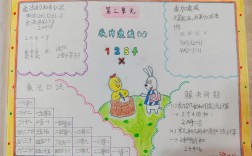
如何制作一份手绘思维导图?
- 准备工具:一张大白纸、彩色笔、铅笔、橡皮。
- 确定中心:在纸的正中央画一个图形(如云朵、太阳、书本),写下本册书的主题,如 "PEP 5B English"。
- 画主干:从中心图形向外画出4-5条粗线条,代表我们上面提到的核心模块(一般将来时、情态动词、方位介词、核心话题)。
- 画分支:在每个主干上,根据上面的详细内容,画出更细的分支,写上关键词(如 "用法"、"构成"、"in/on/under" 等)。
- 用颜色和图标:用不同颜色区分不同的模块和分支,让导图更清晰、更有趣,可以配上简单的图标,比如太阳代表季节,问号代表问句等。
- 复习与补充:定期看着自己画的导图进行复习,随时可以添加新的知识点。
希望这份详细的思维导图框架能帮助你的孩子更好地掌握五年级下册的英语知识!