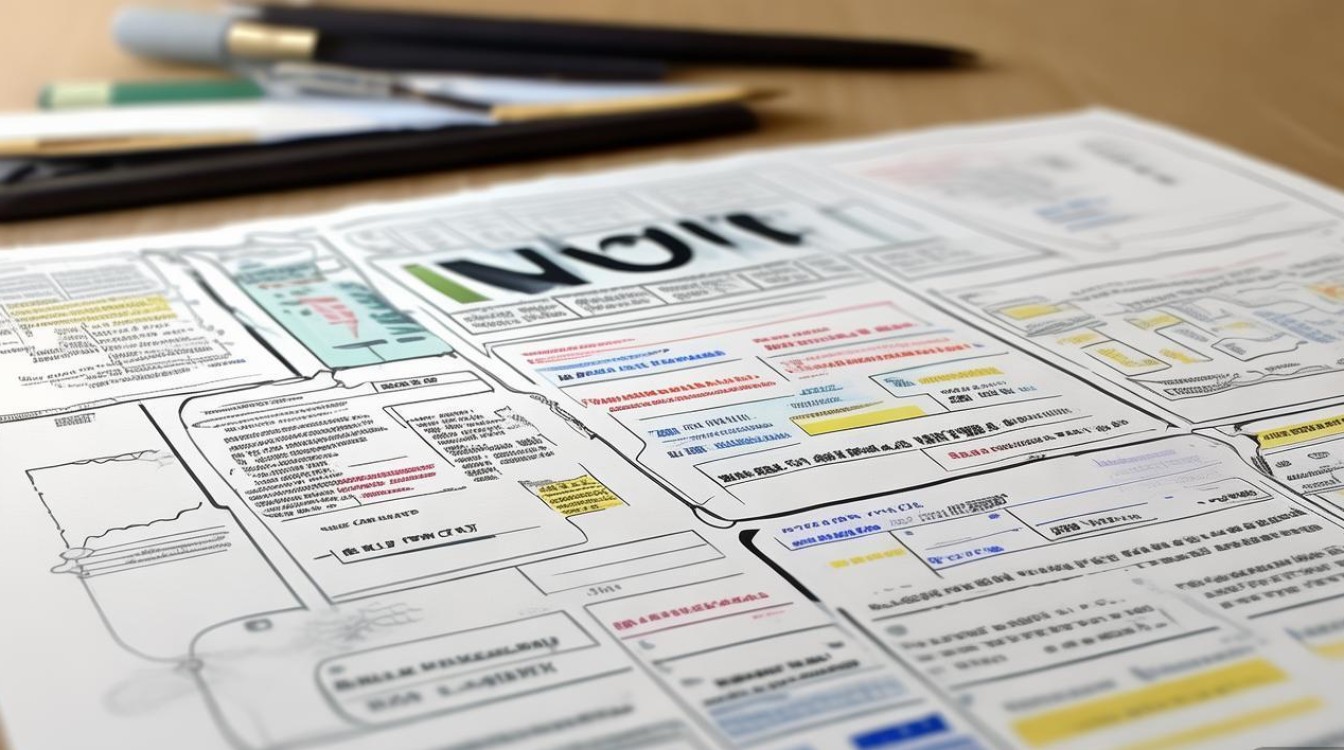
初三英语总览思维导图
中心主题:初三英语知识体系
- 第一部分:核心词汇
- 第二部分:核心语法
- 第三部分:功能意念项目
- 第四部分:话题项目
- 第五部分:应试技巧
第一部分:核心词汇
-
主题分类词汇
- 校园生活
- Subjects:
math, physics, chemistry, biology, history, geography, politics, P.E., art, music - School Facilities:
classroom, library, lab, playground, dining hall - People:
teacher, headmaster/classmaster, classmate, schoolmate - Activities:
have lessons, take an exam, join a club, do homework, participate in competitions
- Subjects:
- 日常生活
- Routines:
get up, wash face, brush teeth, have breakfast, go to school, do housework, go to bed - Weather:
sunny, cloudy, rainy, windy, snowy, hot, cold, warm, cool - Time & Date:
year, month, week, day, hour, minute, second; Monday, February, 2025
- Routines:
- 兴趣爱好
- Hobbies:
reading, swimming, running, singing, dancing, painting, playing basketball/football, traveling - Entertainment:
movie, concert, TV show, computer game, novel, magazine
- Hobbies:
- 健康与医疗
- Body Parts:
head, eye, ear, nose, mouth, arm, hand, leg, foot - Feelings:
happy, sad, angry, tired, excited, bored, sick - Sickness:
have a cold/fever/cough/headache - Medical:
see a doctor, take medicine, hospital, clinic
- Body Parts:
- 饮食
- Food:
rice, noodles, bread, egg, meat, fish, vegetable, fruit - Drinks:
water, juice, milk, tea, coffee, Coke - Cooking:
cook, fry, boil, steam, eat, drink
- Food:
- 交通与旅行
- Transport:
on foot, by bike/bus/car/train/plane/ship - Places:
city, town, village, country, museum, park, restaurant, airport, station - Travel:
go on a trip, visit, take a vacation, book a ticket, pack the bag
- Transport:
- 环境与保护
- Environment:
pollution, air, water, noise, litter - Protection:
save water, plant trees, recycle, reduce, reuse
- Environment:
- 科技与通讯
- Devices:
computer, phone, tablet, camera, TV - Internet:
surf the Internet, send emails, chat online, download, upload - Communication:
call, text, message, WeChat, email
- Devices:
- 情感与观点
- Likes/Dislikes:
love, like, enjoy, hate, dislike, be fond of, be interested in - Agreement/Disagreement:
agree, disagree, that's true, I don't think so, in my opinion - Certainty/Uncertainty:
sure, certain, of course, maybe, perhaps, probably, I'm not sure
- Likes/Dislikes:
- 校园生活
-
词性转换
- 名词 (Noun):
action, decision, kindness, happiness - 动词 (Verb):
act, decide, kind (v.), happy (v.) - 形容词 (Adjective):
active, decisive, kind, happy - 副词 (Adverb):
actively, decisively, kindly, happily - 重点:
-tion/-sion→ 名词 (e.g.,educate → education)-ful→ 形容词 (e.g.,care → careful)-less→ 形容词 (e.g.,care → careless)-ly→ 副词 (e.g.,quick → quickly)
- 名词 (Noun):
-
短语搭配
- 动词短语:
look after, look for, look forward to, give up, put on, turn on, get on with - 介词短语:
on time, in time, at the same time, by the way, because of, in front of - 形容词短语:
be interested in, be proud of, be afraid of, be different from
- 动词短语:
第二部分:核心语法
-
时态
- 一般现在时:
I work.用法: 习惯、事实、真理。
- 现在进行时:
I am working.用法: 现在正在发生的动作。
- 一般过去时:
I worked.用法: 过去发生的动作或状态。
- 过去进行时:
I was working.用法: 过去某个时间点正在进行的动作。
- 一般将来时:
I will work. / I am going to work.will: 表意愿、预测。be going to: 表计划、即将发生的事。
- 现在完成时:
I have worked.- 用法: 过去发生且对现在有影响的动作;从过去持续到现在的动作/状态。
- 标志词:
already, yet, just, ever, never, since, for
- 一般现在时:
-
语态
- 主动语态:
I clean the room.(我打扫房间) - 被动语态:
The room is cleaned by me.(房间被我打扫)- 结构:
be + 动词的过去分词 - 时态变化:
is/are/was/were + p.p./have/has been + p.p./will be + p.p.
- 结构:
- 主动语态:
-
从句
- 宾语从句
- 作动词/介词的宾语。
- 语序: 陈述句语序 (
that可省略)。 - 时态: 主句为过去时,从句用过去的某种时态。
- 连接词:
that, if/whether, what, when, where, why, how
- 状语从句
- 时间状语从句:
when, while, as, before, after, since, untilWhen I arrived, he was leaving.
- 条件状语从句:
if, unlessIf it rains tomorrow, we will cancel the trip.
- 原因状语从句:
because, since, asHe was late because he missed the bus.
- 目的状语从句:
so that, in order thatHe got up early so that he could catch the bus.
- 时间状语从句:
- 定语从句
- 修饰名词或代词。
- 关系代词:
who(人),which(物),that(人或物),whose(...的)。 - 关系副词:
when(时间),where(地点),why(原因)。 - e.g.,
The boy who is wearing a blue coat is my brother.
- 宾语从句
-
情态动词
- can/could: 能力,可能性,请求。
- may/might: 可能性,允许。
- must: 必须,肯定推测。
- should: 应该,建议。
- will/would: 意愿,习惯,请求。
-
非谓语动词
- 不定式:
to do- 作主语、宾语、表语、定语、状语。
- e.g.,
I want to learn English.(作宾语)
- 动名词:
doing- 作主语、宾语。
- e.g.,
Swimming is good exercise.(作主语)
- 分词:
- 现在分词:
doing(主动、进行)- e.g.,
a sleeping baby(正在睡觉的宝宝)
- e.g.,
- 过去分词:
done(被动、完成)- e.g.,
a broken window(破碎的窗户)
- e.g.,
- 现在分词:
- 不定式:
-
其他重点
- 虚拟语气:
If I were you, I would...(与现在事实相反) - It 的用法:
It's time for sth. / to do sth.It's + adj. + for sb. + to do sth.It seems that...
- 倒装句:
Not only did he come, but he also brought a gift.(Not only... but also...)
- 虚拟语气:
第三部分:功能意念项目
-
社会交往
- 问候与告别:
Hello! / Goodbye! / See you later! - 感谢与道歉:
Thank you. / I'm sorry. / Excuse me. - 邀请与应答:
Would you like to...? / Yes, I'd love to. / I'd love to, but... - 请求与允许:
Can/Could I...? / May I...? / Yes, you can. / No, you can't. - 提供帮助:
Can I help you? / Let me help you. - 打电话:
This is... speaking. / May I speak to...? / Hold on, please.
- 问候与告别:
-
态度
- 同意与不同意:
I agree. / I don't agree. / That's a good idea. - 喜欢与不喜欢:
I like/enjoy... / I hate/dislike... - 肯定与不肯定:
I'm sure. / I'm not sure. / Maybe. / Perhaps. - 表达观点:
In my opinion... / I think/believe that...
- 同意与不同意:
-
情感
- 高兴:
I'm happy/glad/pleased. - 惊奇:
Really? / What a surprise! - 忧虑:
I'm worried about... / What should I do? - 后悔:
I'm sorry I... / I regret...
- 高兴:
第四部分:话题项目
- 个人情况
姓名、年龄、外貌、性格、家庭、朋友、爱好、梦想。
- 家庭、朋友与周围的人
家庭成员、朋友关系、邻里关系、帮助他人。
- 周围的环境
居住地、学校、公园、天气、污染、环保。
- 日常活动
作息时间、家务劳动、日常琐事。
- 学校生活
课程、老师、同学、考试、课外活动、校园规则。
- 兴趣与爱好
阅读、运动、音乐、电影、旅行、收藏。
- 个人情感
喜、怒、哀、乐、紧张、放松、失望、希望。
- 人际关系
交流、合作、冲突、解决矛盾。
- 计划与愿望
未来职业、假期计划、新年决心。
- �假日与活动
春节、国庆节、生日派对、节日庆祝。
- 购物
商品、价格、讨价还价、售后服务。
- 饮食
中西餐、健康饮食、烹饪。
- 健康
锻炼、疾病、就医、健康习惯。
- 旅游与交通
交通方式、景点、预订、问路。
- 通讯
书信、电子邮件、电话、社交媒体。
- 语言学习
学习方法、困难、进步。
- 自然
动植物、天气、灾害、保护自然。
- 世界与环境
国家、文化、污染、环保。
第五部分:应试技巧
-
听力
- 预测: 利用读题时间,预测内容和答案。
- 抓关键词: 听到数字、人名、地点、转折词 (
but,however) 时要特别注意。 - 记笔记: 简单记录关键信息,如时间、价格。
- 听语气: 注意说话者的情绪和态度。
-
完形填空
- 通读全文: 了解大意,不要急着填空。
- 瞻前顾后: 答案往往在上下文中能找到线索。
- 固定搭配: 注意动词短语、介词短语等。
- 词性判断: 分析空格处应填入的词性(名词、动词、形容词等)。
- 代入验证: 将选出的答案代入原文,看是否通顺。
-
阅读理解
- 先看题干: 带着问题去读文章,寻找相关信息。
- 找主题句: 段落的首句或末句通常是主题句。
- 区分事实与观点: 事实是客观的,观点是主观的。
- 推理判断: 根据文章信息进行合理推断,但不要过度解读。
- 猜词义: 利用上下文、同义词、反义词等线索猜测生词意思。
-
词汇运用
- 词性转换: 根据句子结构判断所需词性。
- 固定搭配: 熟记常见的动词短语和介词短语。
- 语境理解: 结合句子意思选择最合适的词。
-
书面表达
- 审题: 明确文体(书信、通知、故事等)、人称、时态和要点。
- 列提纲: 规划文章结构(开头-主体-,确保要点齐全。
- 善用句型: 使用简单句、并列句、复合句(宾语从句、状语从句等),使文章更有层次。
- 高级词汇/短语: 适当使用学过的较高级词汇和短语,提升文章档次。
- 检查: 检查拼写、语法、标点错误,确保卷面整洁。
如何使用这份思维导图?
- 打印出来:把这份导图打印出来,贴在你的书桌前或笔记本上,随时可见。
- 分模块复习:不要一次性看完,每次选择一个模块(时态”或“校园生活词汇”),进行深度复习。
- 自我填充:以这份导图为骨架,用自己的话和例子去填充细节,在“现在完成时”下,写下你自己的例句:
I have finished my homework. - 制作自己的导图:根据自己的薄弱环节,重新绘制一份更个性化的思维导图。
- 结合练习:复习完一个知识点后,立刻找相关的练习题来做,巩固所学。
希望这份超详细的初三英语思维导图能助你一臂之力,祝你学业进步,中考顺利!