中心主题:水果 - 学习英文与思维训练
中心图: 一个色彩鲜艳的水果拼盘,旁边有一个打开的英文书和一个灯泡(代表思维)。
(图片来源网络,侵删)
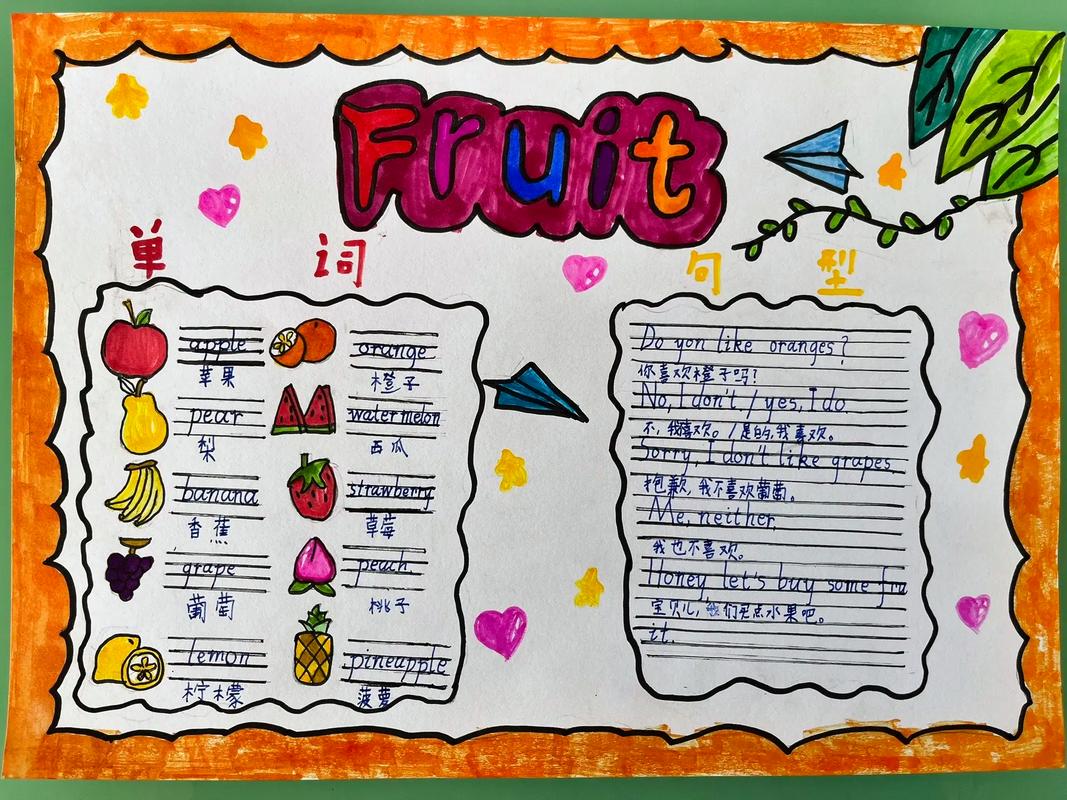
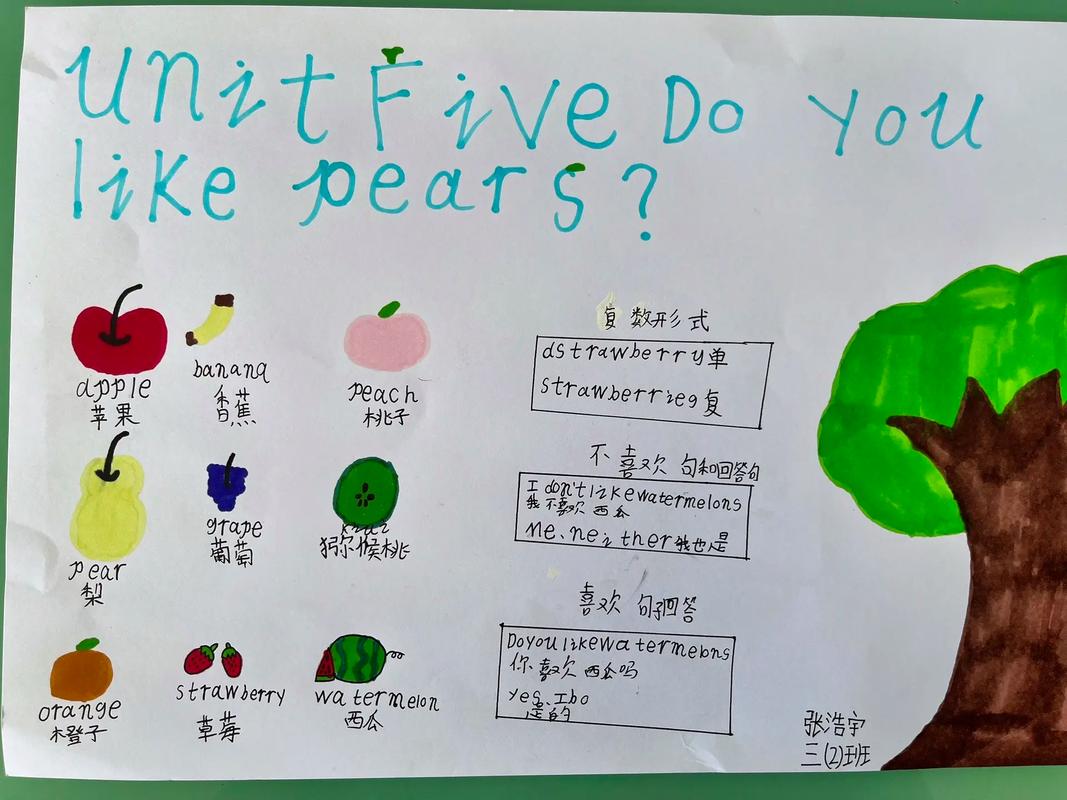
一级分支:1. 核心词汇 - Fruits
- 描述: 这是学习的基础,包含最常见的水果名称。
- 二级分支:
- 1 普通水果:
- Apple (苹果)
- Banana (香蕉)
- Orange (橙子)
- Grape (葡萄)
- Strawberry (草莓)
- Watermelon (西瓜)
- 2 热带水果:
- Mango (芒果)
- Pineapple (菠萝)
- Papaya (木瓜)
- Coconut (椰子)
- 3 浆果类:
- Blueberry (蓝莓)
- Raspberry (覆盆子)
- Blackberry (黑莓)
- 4 坚果类:
- Peach (桃子)
- Pear (梨)
- Cherry (樱桃)
- Plum (李子)
- 1 普通水果:
一级分支:2. 描述性词汇 - Describing Fruits
- 描述: 这是思维的第一步,学会用形容词来描述水果,丰富表达。
- 二级分支:
- 1 颜色:
- Red (红色的) - e.g., a red apple.
- Yellow (黄色的) - e.g., a yellow banana.
- Orange (橙色的) - e.g., an orange orange.
- Green (绿色的) - e.g., a green kiwi.
- Purple (紫色的) - e.g., purple grapes.
- 2 口感/质地:
- Crunchy/Crispy (脆的) - e.g., a crunchy apple.
- Juicy (多汁的) - e.g., a juicy orange.
- Sweet (甜的)
- Sour (酸的)
- Soft (软的) - e.g., a soft banana.
- Smooth (顺滑的) - e.g., a smooth mango.
- 3 味道:
- Delicious / Yummy / Tasty (美味的)
- Fresh (新鲜的)
- Bitter (苦的) - e.g., grapefruit.
- Tangy (酸中带甜的)
- 1 颜色:
一级分支:3. 相关概念与短语 - Related Concepts & Phrases
- 描述: 将词汇应用到句子和场景中,是思维的应用和输出。
- 二级分支:
- 1 常用短语:
- A bunch of grapes (一串葡萄)
- A slice of watermelon (一片西瓜)
- A glass of orange juice (一杯橙汁)
- A bowl of fruit salad (一碗水果沙拉)
- Fruit smoothie (水果奶昔)
- 2 动词搭配:
- Peel a banana (剥香蕉)
- Cut an apple (切苹果)
- Juice an orange (榨橙汁)
- Pick strawberries (摘草莓)
- 3 健康益处:
- Rich in Vitamin C (富含维生素C)
- Good for your health (对健康有益)
- Boost your immune system (增强免疫力)
- Eat more fruit (多吃水果)
- 1 常用短语:
一级分支:4. 思维方法 - Thinking Skills
- 描述: 这是思维导图的核心,展示了如何用不同思维方式来学习“水果”这个主题。
- 二级分支:
- 1 分类思维:
- 按颜色分类: 红色水果 vs. 黄色水果 vs. 紫色水果。
- 按大小分类: 大型水果 vs. 小型水果。
- 按生长环境分类: 温带水果 vs. 热带水果。
- 按果皮分类: 去皮水果 vs. 可带皮吃水果。
- 2 联想思维:
- 颜色联想: Red -> Apple, Strawberry, Cherry.
- 形状联想: Round -> Orange, Apple, Grape.
- 场景联想: Summer -> Watermelon, Ice Cream. Breakfast -> Banana, Orange Juice.
- 3 对比思维:
- 对比相似词:
Fruit(水果) vs.Vegetable(蔬菜). - 对比不同水果:
- Apple vs. Orange: One is crunchy, the other is juicy. One is typically red/green, the other is orange.
- Banana vs. Coconut: One is soft and easy to peel, the other is hard and needs a tool.
- 对比相似词:
- 4 归纳与总结思维:
- 共同点: Most fruits are sweet, grow on plants, and are healthy.
- 不同点: They have different tastes, textures, colors, and growth seasons.
- 总结规律: Many fruit names end in "-berry" (strawberry, blueberry) or "-apple" (pineapple, custard apple).
- 1 分类思维:
一级分支:5. 文化与趣味 - Culture & Fun Facts
- 描述: 拓展知识面,增加学习的趣味性,体现思维的广度。
- 二级分支:
- 1 文化象征:
- The Apple: Often symbolizes knowledge or temptation (e.g., the forbidden fruit).
- The Cherry Blossom (Sakura): A symbol of Japan and spring, though the fruit is also popular.
- The Coconut: A symbol of tropical islands and vacation.
- 2 趣味知识:
- Strawberries are not technically berries, but bananas are!
- Grapes can be turned into raisins (葡萄干).
- Pineapples take about 18-20 months to grow.
- 3 相关谚语:
- "An apple a day keeps the doctor away." (一天一苹果,医生远离我。)
- "The apple doesn't fall far from the tree." (有其父必有其子。)
- "Comparing apples and oranges." (风马牛不相及 / 比较无法比较的东西。)
- 1 文化象征:
总结与应用
这个思维导图不仅是一个词汇列表,更是一个学习框架,你可以用它来:
- 建立知识体系: 将零散的单词系统化地组织起来。
- 训练英语思维: 用英语去描述、分类和联想,而不是先想中文再翻译。
- 激发学习兴趣: 通过文化、趣味知识和对比,让学习过程不再枯燥。
- 提升表达能力: 丰富的描述词和短语能让你在口语和写作中更生动地谈论水果。
你可以根据这个结构,随时添加新的分支,水果的产地”、“水果的价格”等,让思维导图不断生长和完善。
(图片来源网络,侵删)