语法、词汇、话题和功能意念,并附上了每个单元的重点,方便你系统性地复习和构建知识网络。
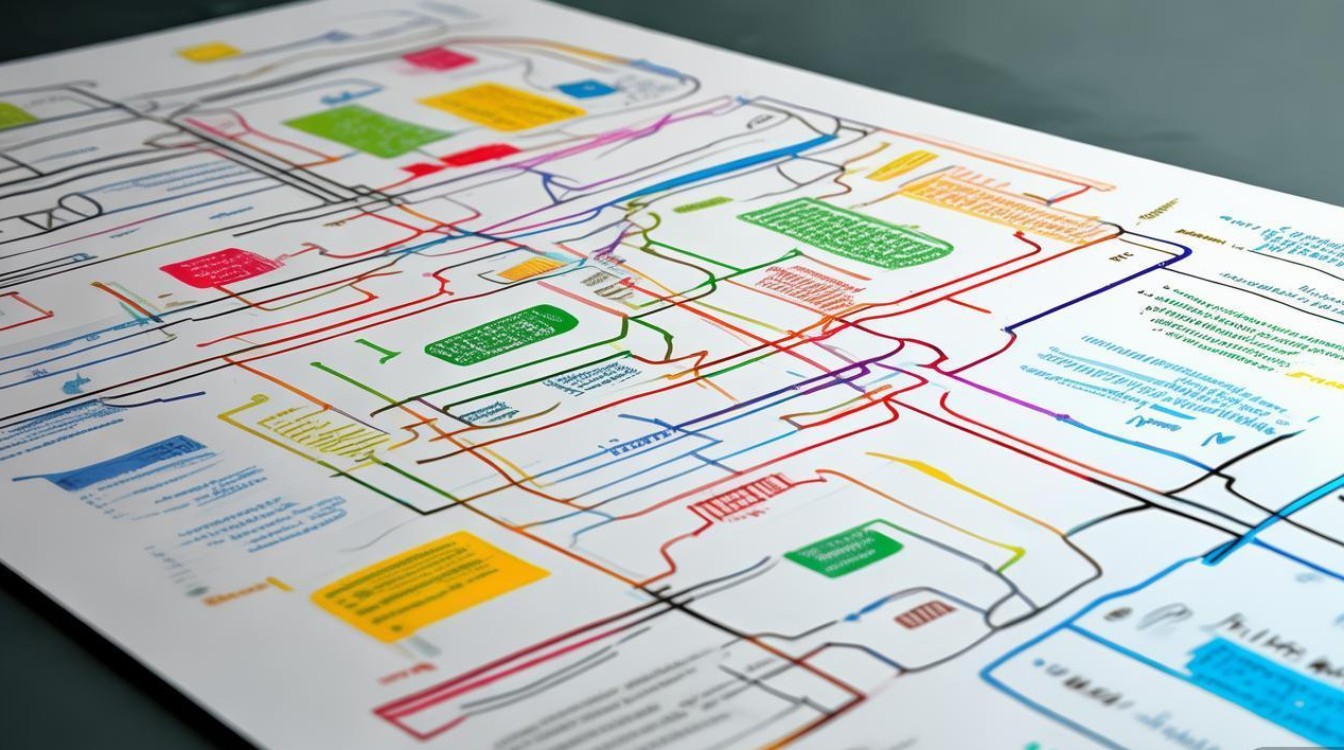
人教版八年级上册英语 核心知识思维导图
语法 - Grammar (学习的骨架)
这是八年级上册语法的重中之重,需要重点掌握。
-
一般将来时
- 定义: 表示将来某个时间要发生的动作或存在的状态。
- 结构:
will + 动词原形- 肯定句:
S + will + V. + ... - 否定句:
S + won't + V. + ... - 疑问句:
Will + S + V. + ...?
- 肯定句:
be going to + 动词原形- 肯定句:
S + am/is/are + going to + V. + ... - 否定句:
S + am/is/are + not + going to + V. + ... - 疑问句:
Am/Is/Are + S + going to + V. + ...?
- 肯定句:
- 区别:
will: 更侧重于临时的、主观的决定或预测。- I'll help you with your bag. (临时起意)
- I think it will rain tomorrow. (主观预测)
be going to: 更侧重于事先的计划、准备或根据现有迹象的预测。- I'm going to visit my grandparents this weekend. (已有计划)
- Look at the dark clouds. It's going to rain. (有迹象表明)
-
情态动词
should的用法- 定义: 表示“应该”,用来提出建议或劝告。
- 结构:
- 肯定句:
S + should + 动词原形 + ... - 否定句:
S + shouldn't + 动词原形 + ... - 疑问句:
Should + S + 动词原形 + ...?
- 肯定句:
- 答语:
- 肯定:
Yes, S + should. - 否定:
No, S + shouldn't.
- 肯定:
- 例句: You should drink more water.
-
比较级和最高级
- 定义: 用于两者或多者之间的比较。
- 规则变化:
- 一般直接加
-er/-est:tall -> taller -> tallest - 以不发音的
e加-r/-st:nice -> nicer -> nicest - “辅音+y”变
y为i再加-er/-est:happy -> happier -> happiest - 重读闭音节,双写末尾辅音再加
-er/-est:big -> bigger -> biggest - 多音节和部分双音节词,前加
more/most:beautiful -> more beautiful -> most beautiful
- 一般直接加
- 不规则变化:
good/well -> better -> bestbad/badly -> worse -> worstmany/much -> more -> mostlittle -> less -> leastfar -> farther/further -> farthest/furthest
- 常用句型:
- 原级同级比较:
A + as + adj./adv. + as + B(A和B一样...) - 比较级:
A + 比较级 + than + B(A比B更...) - 最高级:
A + the + 最高级 + in/of ...(A在...中最...)
- 原级同级比较:
-
过去进行时
- 定义: 表示过去某个特定时间点正在进行的动作。
- 结构:
was/were + 动词-ing - 时间标志:
at 8:00 yesterday,this time yesterday,while等。 - 例句: I was doing my homework at 9 p.m. last night.
-
“It's + adj. + for sb. + to do sth.” 句型
- 定义: 形式主语句型,
it作形式主语,真正的主语是to do sth.。 - 例句: It's important for us to learn English well. (学好英语对我们来说很重要。)
- 定义: 形式主语句型,
词汇 - Vocabulary (学习的血肉)
按话题分类,方便记忆和使用。
-
个人信息与日常活动
- 形容词:
hard-working,lazy,quiet,outgoing,funny,serious - 动词:
join,sing,dance,swim,draw,speak - 名词:
club,team,show,story,news,information
- 形容词:
-
健康与问题
- 名词:
headache,toothache,sore throat,fever,stomachache,medicine - 动词:
have,lie down,rest,drink,hurt - 短语:
see a doctor,go to bed,at the moment
- 名词:
-
周末与假期计划
- 名词:
beach,museum,cinema,park,mountain,plan,vacation - 动词:
camp,fish,hike,visit,get back - 疑问词:
Where,What,How,How long,How far
- 名词:
-
旅行与交通
- 名词:
subway,train,bus,plane,ship,car,boat,station,stop - 动词:
walk,ride,drive,take - 短语:
by bus/train/air/sea,get to,leave for
- 名词:
-
节日与庆祝
- 名词:
festival,Halloween,Christmas,Thanksgiving,mid-autumn,lantern - 动词:
celebrate,watch,admire,share - 短语:
put up,give out,on special holidays
- 名词:
-
兴趣与爱好
- 名词:
movie,action movie,comedy,documentary,cartoon,thriller,culture - 动词:
expect,stand,report,find out - 短语:
look for,in fact,go on
- 名词:
话题 - Topics (学习的场景)
- Unit 1: How do you study for a test? (谈论学习方法)
- Unit 2: I'm going to play basketball. (谈论未来计划和打算)
- Unit 3: What are you doing for vacation? (谈论假期安排)
- Unit 4: How do you get to school? (谈论交通方式和距离)
- Unit 5: Can you come to my party? (发出、接受和拒绝邀请)
- Unit 6: I'm watching TV. (谈论正在发生的事情)
- Unit 7: People are celebrating throughout China. (描述节日和庆典)
- Unit 8: How was your school trip? (谈论过去的事情)
- Unit 9: When was he born? (谈论名人的生平)
- Unit 10: I'm going to be a basketball player. (谈论职业和未来理想)
功能意念 - Functions (学习的应用)
- 谈论未来:
What are you doing for vacation?I'm visiting my grandparents.Where are you going?I'm going to the beach.
- 提出建议:
You should lie down and rest.It's a good idea to drink some hot tea with honey.Why don't you see a doctor?
- 谈论喜好与偏好:
What do you think of talk shows?I love them. / I don't like them.How about you?
- 谈论过去经历:
How was your school trip?It was great! / It was terrible.Did you go to the zoo?Yes, I did. / No, I didn't.
- 发出邀请:
Can you come to my party on Saturday?Sure, I'd love to. / Sorry, I can't. I have to...
如何使用这份思维导图
- 构建框架: 先看一级标题(语法、词汇等),建立整体知识结构。
- 填充细节: 每个分支下的内容就是你需要掌握的具体知识点。
- 重点突破: 一般将来时、情态动词
should、比较级和最高级是八上的核心语法,必须彻底搞懂。 - 话题串联: 按照话题(Unit 1-10)去复习,将词汇、句型和功能意念结合起来,形成“场景化”学习。
- 实践应用: 思维导图是地图,真正的旅行需要靠“说”和“写”,尝试用导图中的句型和词汇来描述自己的周末、提建议、写一篇关于假期的短文等。
希望这份详细的思维导图能帮助你更好地梳理和掌握八年级上册的英语知识!